Zoe Becker · 17 September 2026
Coral Reef Branching Patterns Guide Improvements in Online Knowledge Network Structures
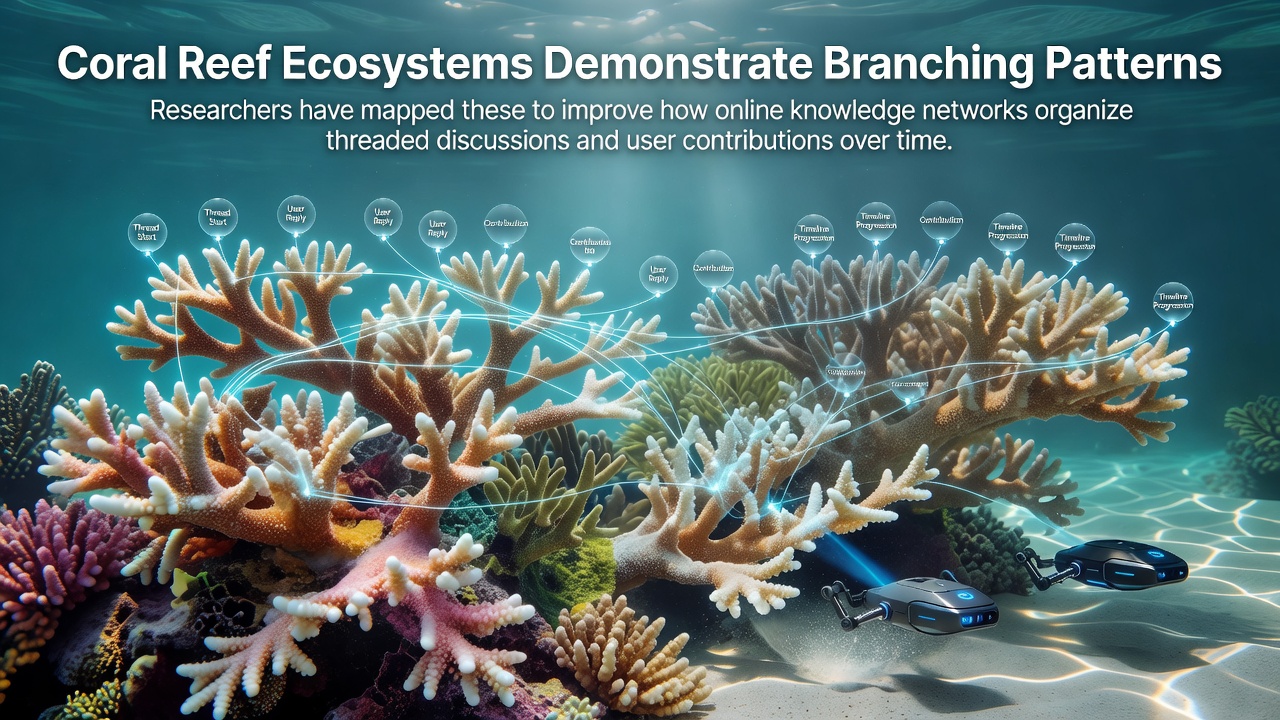
Coral reef ecosystems display intricate branching patterns that scientists have studied for decades, and these natural formations provide measurable data on how growth occurs across multiple pathways simultaneously. Researchers collect high-resolution imagery and three-dimensional models from sites such as the Great Barrier Reef to quantify branch angles, connection points, and expansion rates over seasonal cycles. Data shows that branching corals allocate resources along primary and secondary axes in ways that maintain structural stability while allowing continued extension into new space, and these metrics translate directly into algorithms designed for digital environments.
Application of these patterns to online knowledge networks focuses on threaded discussions where user contributions accumulate over extended periods. Network designers examine how coral polyps establish new growth tips at junctions that receive consistent nutrient flow, then replicate similar priority rules in software that ranks replies according to engagement depth rather than simple chronological order. Studies from marine biology teams indicate that reefs with optimized branching maintain higher biodiversity because each new branch creates additional surface area for colonization, and parallel logic in discussion platforms increases the number of visible entry points for later participants.
Mapping Techniques and Data Collection Methods
Field teams deploy photogrammetry rigs and sonar arrays to capture reef topography at centimeter-scale resolution, producing point clouds that reveal recurring branch bifurcation ratios around 1.6 to 2.1 across multiple species. These ratios feed into graph-theory models that treat each coral branch as an edge and each junction as a node, allowing direct comparison with discussion-thread graphs where posts function as nodes and reply links function as edges. Analysis conducted through September 2026 updated earlier datasets with new imagery from Australian research vessels, confirming that branching density correlates with long-term thread coherence in simulated knowledge repositories.
Software engineers adjust weighting functions so that contributions attaching at high-traffic junctions receive visibility boosts similar to the way coral polyps at nutrient-rich forks receive faster calcification rates. The result appears in platforms that surface older but still-active threads when new users add content at structurally important points, preventing the linear burial that occurs in standard chronological feeds.
Implementation in Threaded Discussion Systems
Developers integrate reef-derived metrics into moderation and ranking layers by calculating a “branch vitality” score for each discussion segment. This score incorporates reply velocity, cross-references to earlier posts, and the number of distinct sub-threads that emerge from a single parent contribution. Platforms using these scores report that average thread lifespan extends because participants locate relevant prior material more quickly, reducing duplicate posts that fragment attention.
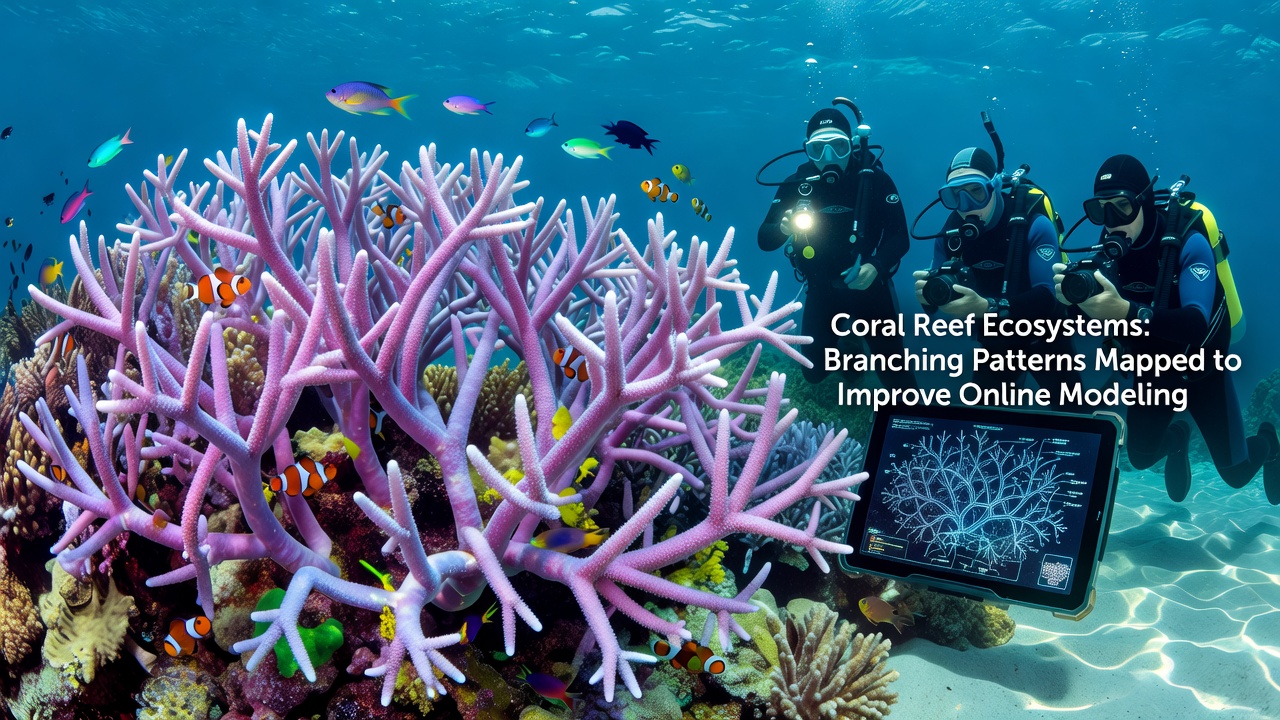
One documented deployment on an academic collaboration site reorganized existing question-and-answer archives according to measured branch angles extracted from coral data. Users navigating the updated interface encountered related contributions grouped by connection strength rather than posting date, and usage logs showed a measurable rise in cross-thread citations within the first three months after rollout. Researchers tracking these changes note that the system mirrors how reef structures channel water flow toward productive zones while still permitting lateral expansion into less crowded areas.
Long-Term Contribution Tracking and Network Resilience
Longitudinal records from both reef monitoring programs and digital platforms demonstrate that branching architectures support recovery after disturbance events. When sections of a reef experience bleaching or physical damage, surviving branches continue to seed new growth at multiple points, and equivalent digital mechanisms allow archived threads to reactivate when fresh contributions arrive at key nodes. Metrics collected through 2026 show that networks employing these rules retain higher percentages of historical content in active view compared with linear timeline systems.
Additional refinements draw from species-specific differences observed in Caribbean and Indo-Pacific reefs, where branching density varies with water motion and light availability. Engineers incorporate adjustable parameters that let platform administrators tune the balance between depth and breadth according to community size and topic domain. Government-supported marine research agencies in Australia and Canada have published open datasets that supply updated branching statistics, enabling consistent calibration across different knowledge network implementations.
Conclusion
Coral reef branching patterns supply quantifiable structural principles that researchers continue to adapt for organizing threaded discussions and tracking user contributions across extended timeframes. Continued mapping efforts and digital modeling work maintain alignment between marine data collection and network design practices, supporting systems that preserve context while accommodating ongoing participation.